
Our areas of focus
We call on the government to work urgently to tackle corruption in five key areas: illicit finance, political integrity, public procurement, sanctions, and climate transition.
Read about our detailed policy recommendations below.
-
Illicit Finance
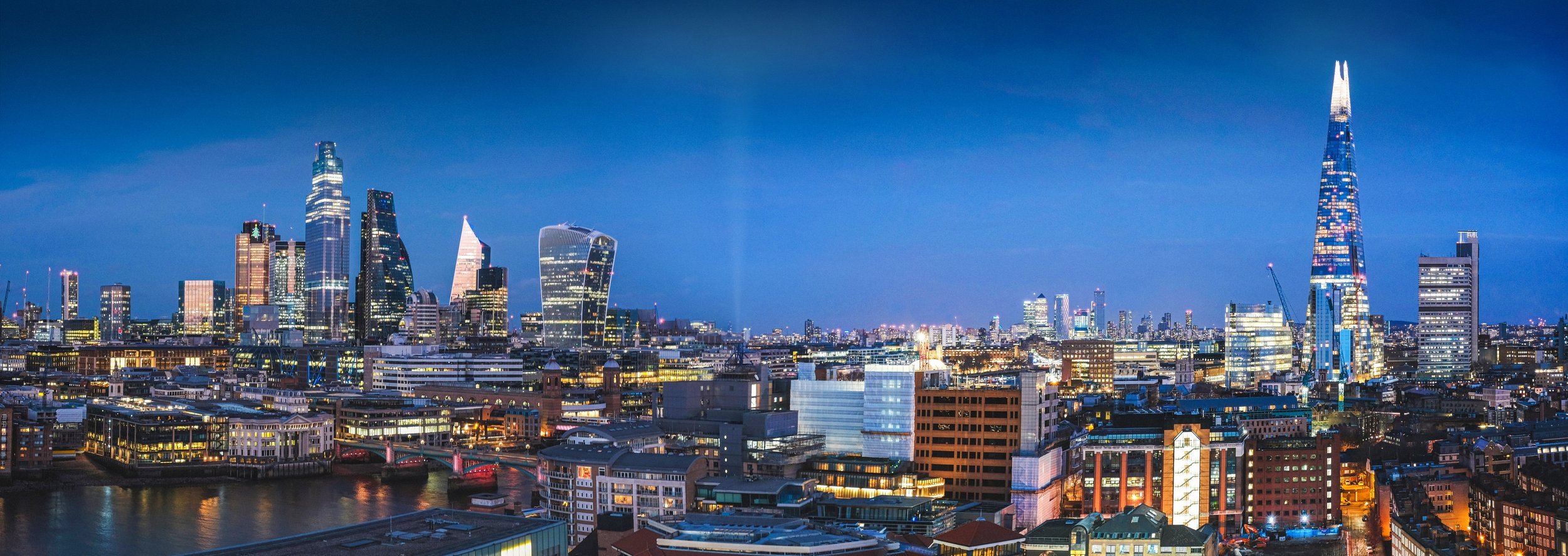
The UK’s financial, legal, and accountancy sectors are the biggest in the world, making London a highly attractive place in which to invest and do business. However, this also makes it a target for criminals and adversaries, making it a ripe environment for economic crimes and dangerous illicit financial flows to flourish.
-
Political Integrity
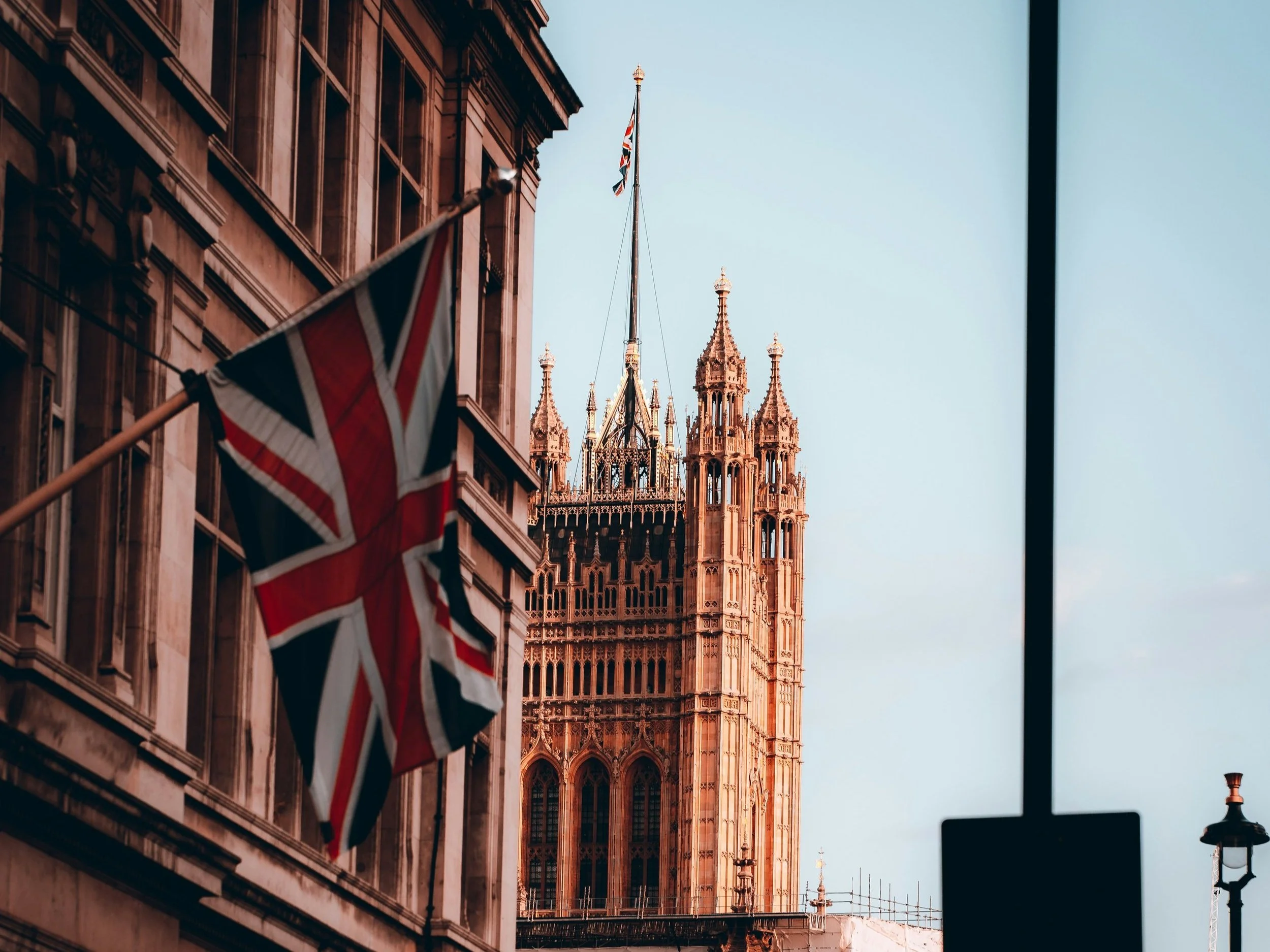
Recently, the UK has been dogged by stories of corruption scandals and bad behaviour in public life. Notable examples include the sale of privileged access to a former Prime Minister (including to people linked to the Kremlin); Covid PPE procurement; and MPs caught lobbying ministers in return for cash...
-

Public Procurement
Accounting for a third of all public spending, procurement is absolutely critical to our economy and national prosperity. But even during non-emergency situations, procurement is recognised by the OECD, European Commission, and the UN Office of Drugs and Crime as the biggest corruption and fraud risk area for governments.
-
Sanctions
We live in an increasingly dangerous world, in which hostile states and terrorist organisations - financially supported through corrupt means - hold ever greater influence. Russia is a prime example of how this situation undermines global stability and democracy, but there are countless others using the same playbook in every corner of the world...
-

Climate Transition
The UK’s efforts to scale up climate action have been deemed “worryingly slow”, undermining the health of our environment, our future energy security, and ambitions to become a clean energy superpower. Concerted action is urgently required to ensure a responsible and reliable supply of the critical minerals that underpin renewable technologies...
-
Developing areas of work
Democratic Resilience
Democratic erosion means a gradual weakening of the arrangements that allow people to choose, scrutinise and replace those who govern them. Elections may continue while political money becomes harder to trace, oversight bodies lose independence, or journalists and civil society face greater obstacles to exposing abuse. We are developing work on how our work can help protect UK democracy and strengthen its resilience.Local Government
Local authorities are responsible for billions in public spending and decisions on planning, contracts and services that affect people’s daily lives. Weak oversight can undermine accountability in local government.